Where Auto Electrical Faults Commonly Start In Vehicles
Modern vehicles rely heavily on electrical systems to operate smoothly, from starting the engine to powering lights, safety features and onboard electronics.
When something goes wrong, it can quickly affect multiple areas of the vehicle and disrupt everyday use. For many drivers, these faults seem to appear suddenly, but in reality, they often begin in smaller, less noticeable ways.
Understanding where auto electrical faults commonly start can help drivers take a more proactive approach to maintenance. By recognising early warning signs and knowing which components are most vulnerable, it becomes easier to address issues before they lead to breakdowns or more complex repairs.
Why Auto Electrical Faults Often Start Small
Most electrical faults develop gradually rather than appearing all at once. Small issues such as minor wear, loose fittings or slight interruptions in power flow can slowly build into larger problems if not addressed.
An auto electrician in Albury can often identify these early-stage faults before they affect the entire system.
Common early-stage issues include:
- Minor disruptions in electrical current flow
- Gradual wear on connectors and components
- Small faults that go unnoticed during daily driving
- Intermittent issues that appear and disappear
Over time, these small problems can impact performance and reliability, especially if the vehicle is used frequently or in demanding conditions.
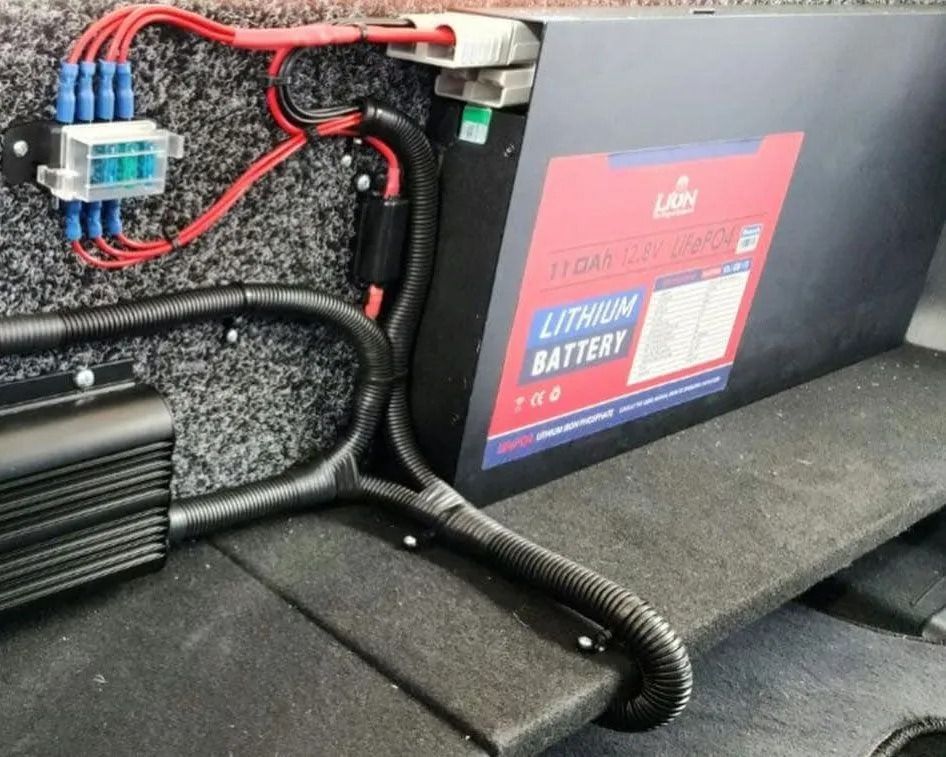
Battery Issues and Failing Electrical Supply
The battery is one of the most common starting points for electrical faults. It provides the initial power needed to start the vehicle and supports many electrical systems when the engine is off. As the battery ages, its ability to hold charge can decline.
This can lead to inconsistent starting and reduced power supply across the vehicle.
Common battery-related issues include:
- Slow or difficult engine start
- Reduced power to lights and accessories
- Corrosion around battery terminals
- Frequent need for recharging or replacement
If left unchecked, battery issues can place additional strain on other electrical components, increasing the likelihood of further faults.
Worn or Damaged Wiring Throughout the Vehicle
Wiring connects every electrical component in the vehicle, making it a critical part of the system. Over time, wiring can become worn, damaged or exposed due to heat, vibration or general wear.
Faulty wiring can interrupt electrical signals, leading to inconsistent behaviour across different systems.
Common wiring problems include:
- Frayed or cracked insulation
- Wires exposed to engine heat or movement
- Breaks or weak points in connections
- Intermittent faults that are difficult to trace
Because wiring runs throughout the vehicle, these issues can affect multiple systems at once, making early detection important.
Loose Connections and Corroded Terminals
Secure connections are essential for maintaining consistent electrical flow. When connections become loose or corroded, it can reduce conductivity and cause systems to behave unpredictably.
These issues often develop gradually and may not be obvious at first.
Common connection-related faults include:
- Loose battery terminals or connectors
- Corrosion caused by moisture or environmental exposure
- Reduced electrical efficiency due to poor contact
- Intermittent issues affecting multiple components
Regular checks can help identify these problems before they begin to impact overall vehicle performance.
Starter Motor and Alternator Faults
The starter motor and alternator play key roles in the vehicle’s electrical system. The starter motor initiates engine operation, while the alternator charges the battery and powers electrical components during use.
When either component begins to fail, it can affect the entire system.
Signs of faults include:
- Engine struggling or failing to start
- Clicking or unusual sounds during ignition
- Fluctuating electrical output while driving
- Battery not maintaining charge properly
These issues can develop over time, often starting with subtle changes in performance before becoming more noticeable.
Issues with Fuses and Electrical Circuits
Fuses and circuits protect the vehicle’s electrical system by preventing overload and damage. When a fuse blows or a circuit becomes faulty, it can stop specific components from working.
These problems can affect anything from lights to internal electronics.
Common circuit-related issues include:
- Blown fuses due to power surges or overload
- Faulty wiring within circuits
- Loss of function in certain electrical features
- Repeated issues indicating a deeper fault
Addressing these issues early can help prevent more widespread electrical problems.
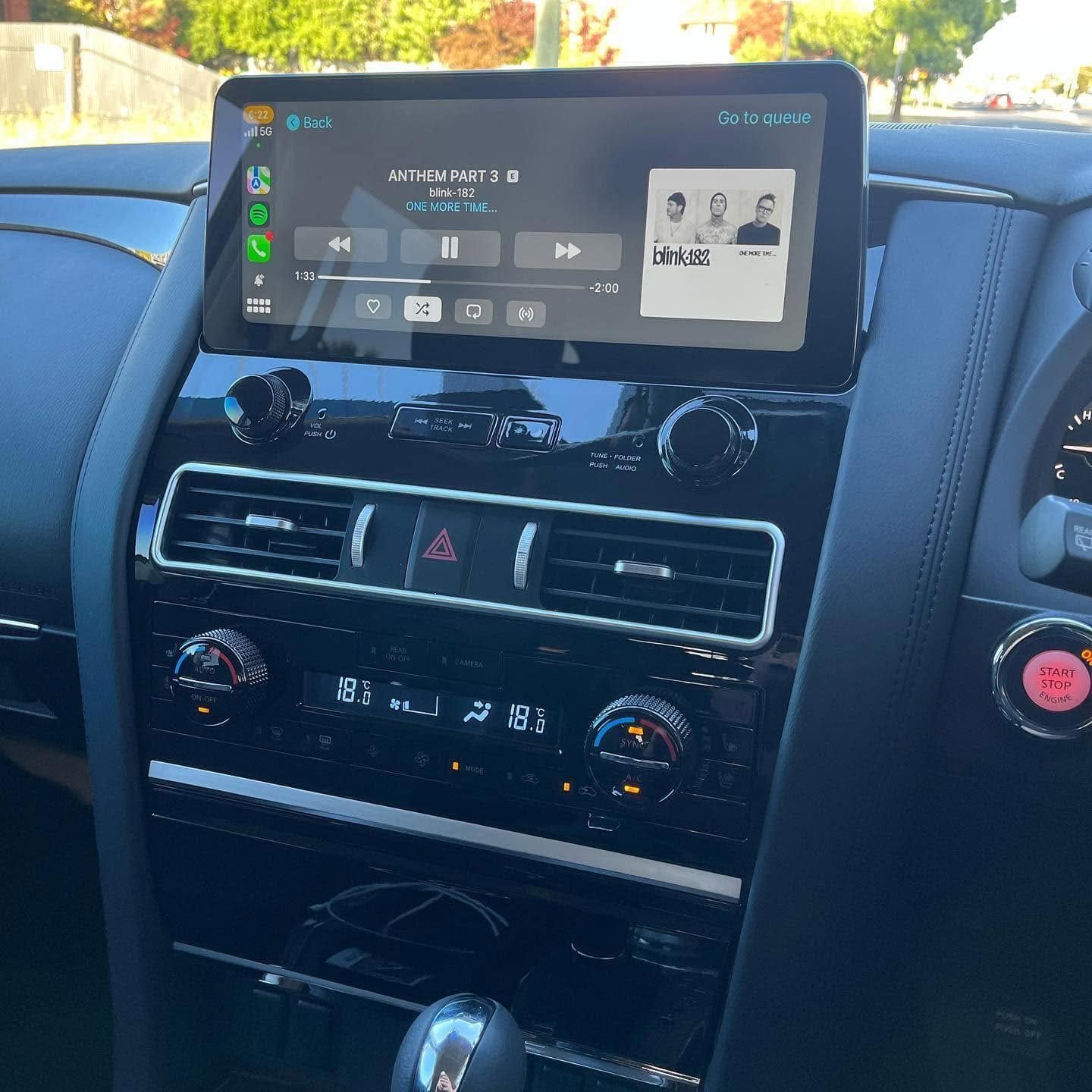
Modern Vehicle Electronics and Sensor Failures
Modern vehicles rely on a network of sensors and electronic systems to manage performance, safety and efficiency. While these systems improve functionality, they also introduce additional points where faults can occur.
Sensor failures may affect how the vehicle operates or how information is communicated between systems.
Common issues include:
- Warning lights appearing on the dashboard
- Sensors providing inaccurate readings
- Electrical systems behaving inconsistently
- Difficulty diagnosing faults without specialised tools
Because these systems are interconnected, a fault in one area can influence others.
Recognising Early Signs and Preventing Major Faults
Recognising early warning signs can help prevent small electrical issues from developing into larger problems. Paying attention to changes in how your vehicle behaves can make a significant difference.
An auto electrician in Albury can assess these signs and provide guidance on addressing potential issues.
Early warning signs include:
- Flickering or dim lights
- Difficulty starting the vehicle
- Electrical components working intermittently
- Warning lights appearing unexpectedly
Taking action when these signs appear can help reduce the risk of breakdowns and support the long-term reliability of your vehicle.
Keep Your Vehicle’s Electrical System Running Reliably
If you’ve noticed changes in your vehicle’s electrical performance, we at Lavington Auto Electrical provide support for those looking for a trusted auto electrician in Albury. Our team works to identify the source of faults and provide practical solutions suited to your vehicle’s needs.
By addressing issues early and understanding where faults commonly begin, you can reduce the likelihood of unexpected problems and keep your vehicle operating more consistently over time.