Common Dashboard Electrical Faults In Albury Vehicles
The dashboard is the clearest window into what your vehicle is doing beneath the surface. Warning lights, gauges and indicators all draw on a network of sensors, wiring and control modules, so when something on the dash behaves oddly, the cause usually sits deeper in the electrical system. Drivers deal with these symptoms regularly, from a battery light that flickers on the drive home to a fuel gauge that refuses to settle. Knowing what these signs typically point to makes it easier to judge when a quick check will do and when a fault genuinely needs an
auto electrician in Albury to take a proper look.
Why Dashboard Warning Lights Should Never Be Ignored
Warning lights give you notice before a small problem turns into a breakdown. Modern vehicles monitor dozens of systems continuously, and the dash is where those readings surface.
The colour of the light usually indicates how urgently it needs attention:
- Red warnings: These typically call for immediate action and may mean the vehicle is not safe to keep driving.
- Amber or yellow lights: These generally flag something that should be checked soon rather than instantly.
- Green and blue indicators: These simply confirm a system is switched on and operating.
A light that appears briefly and disappears can still signal an intermittent fault, since the underlying condition often returns.
What complicates matters is that one light can have many possible causes. A charging system warning might stem from the alternator, the battery, a belt or the wiring between them. Guessing leads to replacing parts that were never faulty, which is why an Albury auto electrician will usually start with a diagnostic scan rather than assumptions.
Battery and Charging Faults Behind Dashboard Warnings
Charging system problems are among the most common reasons a dashboard light appears. When the battery or alternator cannot hold steady voltage, the effects tend to show on the dash well before the vehicle refuses to start.
Signs that commonly point to a charging or battery issue include:
- Dim or flickering dash lights: Instrument and interior lighting that fades or pulses while driving often reflects unstable voltage.
- A battery warning light that stays on: This usually suggests the alternator is not charging properly, even if the vehicle keeps running for a time.
- Slow or hesitant starting: A battery struggling to hold charge can make the dash flicker or reset during ignition.
- Several unrelated warnings at once: Low voltage can confuse multiple control modules together, producing a cluster of lights that seem unconnected.
Battery condition can be tested on site, and alternator faults are usually confirmed by measuring output under load. Both checks take little time compared with the disruption of an unexpected breakdown.
Faulty Gauges and What They Really Indicate
Gauges that read incorrectly are frustrating because the vehicle often drives normally. A fuel gauge stuck on empty, a temperature gauge that never moves or a speedometer that jumps all seem like dashboard problems, yet the fault usually lies elsewhere.
In most cases the gauge reports exactly what it receives. The trouble sits further back in the circuit, commonly with:
- The sending unit: A failing sender feeds the gauge an inaccurate reading even though the gauge itself works.
- Earth connections: Corroded or loose earths distort the signal and often produce erratic movement.
- Wiring between the two: Chafed or damaged wiring interrupts the signal, particularly in older vehicles.
Utes and 4WDs that spend time on rough or dusty roads around the region tend to see these faults sooner.
Temperature gauge problems deserve extra care. A gauge that fails to register rising engine heat removes an important safety warning, so it is worth checking promptly rather than working around it. An Albury auto electrician can trace the signal path to establish whether the sender, the wiring or the connection is responsible before any parts are replaced.
Intermittent Dashboard Issues and Loose Wiring
Intermittent faults are the hardest to pin down because they rarely appear on demand. Lights that come and go, gauges that drop out over bumps and displays that reset without warning usually share one cause: a connection that is not making contact consistently.
Vibration, heat cycling and moisture all wear on wiring over time. Common results include:
- Connectors working loose: Plugs and terminals gradually back off, producing symptoms that come and go with road conditions.
- Worn insulation: Wiring that rubs where a loom passes an edge can short intermittently before failing outright.
- Corroded earth points: Where the loom meets the body, corrosion builds and interrupts the circuit.
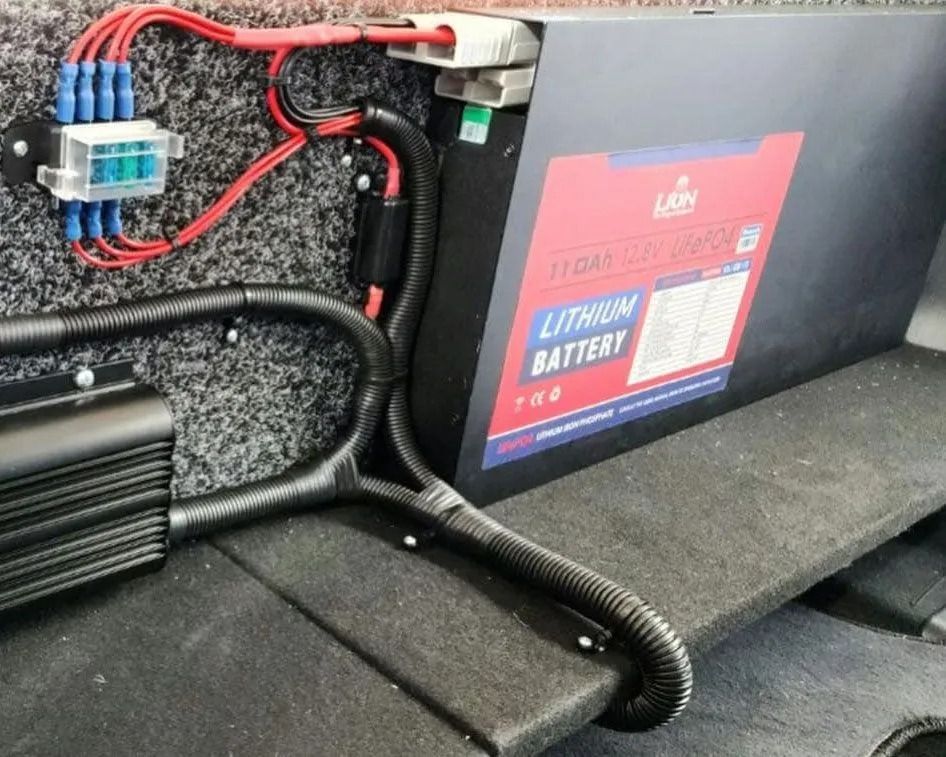
- Aftermarket wiring: Driving lights, dash cameras, UHF radios and dual battery setups tap into existing circuits, and rushed or unprotected work can cause faults months later.
Careful fault finding traces the circuit rather than swapping components hopefully. An auto electrician in Albury will follow the loom from the symptom back to the source, and wiring repairs range from a single connector through to a complete rewire, depending on what the inspection uncovers.
Sensor and Ignition Faults That Trigger Dash Lights
A great many warnings originate with sensors reporting values outside expected ranges. Engine management lights in particular respond to inputs monitoring air, fuel, exhaust and ignition performance.
Ignition faults often show on the dash before they become obvious in how the vehicle drives. Symptoms that frequently accompany a check engine light include:
- Rough or uneven idling: The engine struggles to hold steady revs when stationary.
- Hesitation under acceleration: Power delivery feels flat or delayed when you press the accelerator.
- Difficulty starting: The engine cranks longer than usual before firing.
Electronic fuel injection systems depend on precise sensor readings, so a single faulty input can affect performance broadly.
Fault codes stored by the vehicle give a starting point rather than an answer. A code identifies the circuit reporting the problem, not necessarily the failed component, and confirming the real cause takes testing beyond the initial scan.
Knowing When a Fault Needs Professional Diagnosis
Some dashboard issues are worth a quick look yourself. Clean and tight battery terminals, an intact fuse and a recently fitted accessory that has not disturbed anything nearby can occasionally explain a simple problem.
Beyond that, guesswork gets expensive. Replacing a sensor, battery or alternator on suspicion can leave you with the same fault and a spare part you did not need. Booking an auto electrician in Albury means the fault is identified with diagnostic equipment first, so the repair addresses the actual cause.
It is worth arranging a check promptly in these situations:
- A red warning light appears: These generally indicate a fault that can affect safety or cause further damage.
- Several lights come on together: Multiple warnings often point to a voltage or wiring issue affecting more than one system.
- Temperature or oil warnings show: Both relate to conditions that can worsen quickly if you keep driving.
- The vehicle has become unreliable to start: Starting trouble alongside dash symptoms usually signals a charging or ignition fault.
Book a Mobile Auto Electrician in Albury
Dashboard faults rarely fix themselves, and the sooner one is properly diagnosed, the less it tends to cost you. At
Lavington Auto Electrical, we come to you across Albury and the surrounding region, or you are welcome at our workshop. If something on your dash is not behaving as it should,
get in touch and we will sort it out.
Frequently Asked Questions
Can I keep driving with a warning light on?
It depends on the light. Red warnings generally mean you should stop as soon as it is safe to do so, since continuing may risk further damage. Amber lights usually allow you to drive to a workshop but should be checked promptly rather than ignored.
Why did my dashboard light turn off by itself?
Intermittent faults often clear temporarily when conditions change, such as when the engine cools or a loose connection reseats. The underlying issue is typically still present and tends to return. A diagnostic scan can often retrieve stored fault codes even after the light has gone out.
Does a check engine light always mean an expensive repair?
Not necessarily. Causes range from something as simple as a loose fuel cap or a failing sensor through to more involved engine management faults. Diagnosis determines the scale of the work, which is why testing before replacing parts generally works out cheaper.
What causes a fuel or temperature gauge to read incorrectly?
The gauge itself is often working correctly and simply displaying a faulty signal. Sending units, earth connections and the wiring between them are common sources. Tracing the circuit identifies which component is actually at fault before anything is replaced.