Driving Lights & 4WD Accessory Wiring: An Albury Auto Electrician's Fitting Guide
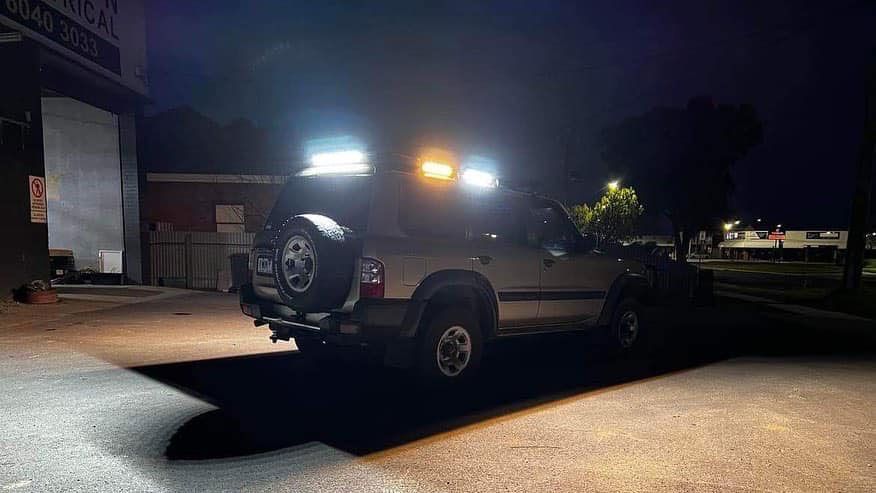
Adding driving lights, a light bar or extra 4WD accessories can make a touring vehicle more practical, but the wiring matters just as much as the hardware. Poor connections can lead to blown fuses, flat batteries, flickering lights or faults that appear intermittently. Speaking with an auto electrician in Albury before fitting high-draw accessories can help you understand what the vehicle's electrical system can support and how the installation should be protected.
Why Driving Lights Need More Than a Simple Power Connection
Driving lights and LED light bars draw more current than many small accessories, so connecting them directly into an existing circuit is rarely ideal. A proper installation generally uses a dedicated power feed, appropriate switching and circuit protection so the accessory does not place unnecessary load on factory wiring.
A typical setup may include:
- A dedicated power cable sized for the current draw.
- A relay that controls the accessory without sending full current through the switch.
- A correctly rated fuse positioned close to the power source.
Good circuit design reduces the chance of overheated wiring, voltage drop and later electrical faults.
Do LED Light Bars Need to Be Wired Through a Relay?
In most installations, yes. A relay allows a low-current switching circuit to control the higher current required by the light bar. This means the dashboard switch or trigger wire does not need to carry the full electrical load, which is particularly important with modern vehicle wiring.
The relay setup usually provides several advantages:
- It keeps high current away from smaller factory control circuits.
- It allows the light bar to draw power through a dedicated feed.
- It makes suitable fuse protection easier to incorporate.
For most high-current lighting accessories, a relay is an important part of a stable and protected installation.
What Amp Fuse Do I Need for a Light Bar?
There is no single fuse rating that suits every light bar because the correct size depends on the accessory's current draw and the wiring used. The fuse needs to protect the cable, not simply match the accessory nameplate. A fuse that is too large may leave the wiring vulnerable, while one that is too small may blow during normal use.
Before selecting a fuse, check:
- The light bar's rated wattage or current draw.
- The cable size and current capacity.
- Any manufacturer recommendations supplied with the accessory.
For driving light installation in Albury, fuse selection should be based on the complete circuit rather than a guessed rating.
Why Direct Splicing Can Create Intermittent Electrical Problems
A common accessory wiring mistake is tapping directly into an existing circuit without considering its original load, wire size or control method. This may work initially, only for problems to appear later as connections loosen or the circuit carries more current than intended. Understanding how faulty wiring causes intermittent electrical issues matters because these faults can be harder to diagnose than a complete failure.
Warning signs can include:
- Lights that flicker or work only under certain conditions.
- Accessories that behave differently when other systems are switched on.
- Batteries that go flat even though nothing appears to be running.
Dedicated fused circuits with secure connections can prevent many of these difficult electrical problems.
Can I Fit Driving Lights Myself or Do I Need an Auto Electrician?
Some vehicle owners are comfortable installing basic accessories, but modern electrical systems can be more complex than they appear. Factory circuits may use computer-controlled switching, CAN bus communication or sensitive modules that are not designed for extra loads. An auto electrician in Albury can assess how the accessory should be triggered and powered without unnecessarily interfering with factory wiring.
Professional fitting may be worth considering when:
- The vehicle uses computer-controlled lighting circuits.
- You are adding several accessories at once.
- You are unsure about cable size, fuse rating or relay requirements.
The more complex the setup becomes, the more important it is to plan the installation as one integrated system.
Driving Lights Are Only Part of the 4WD Electrical System
Touring vehicles often carry much more electrical equipment than a standard passenger car. Dual batteries, fridges, UHF radios, compressors, trailer wiring and auxiliary lighting can all compete for available power. Adding accessories individually without considering the whole system can contribute to voltage drop, poor charging or battery drain.
When planning several accessories, consider:
- Which items will run at the same time.
- Whether the charging system can support the combined load.
- How each accessory is fused and isolated.
A coordinated approach makes future troubleshooting easier and reduces the chance of one new accessory causing problems elsewhere.
What Makes Dual Battery Accessory Wiring Different?
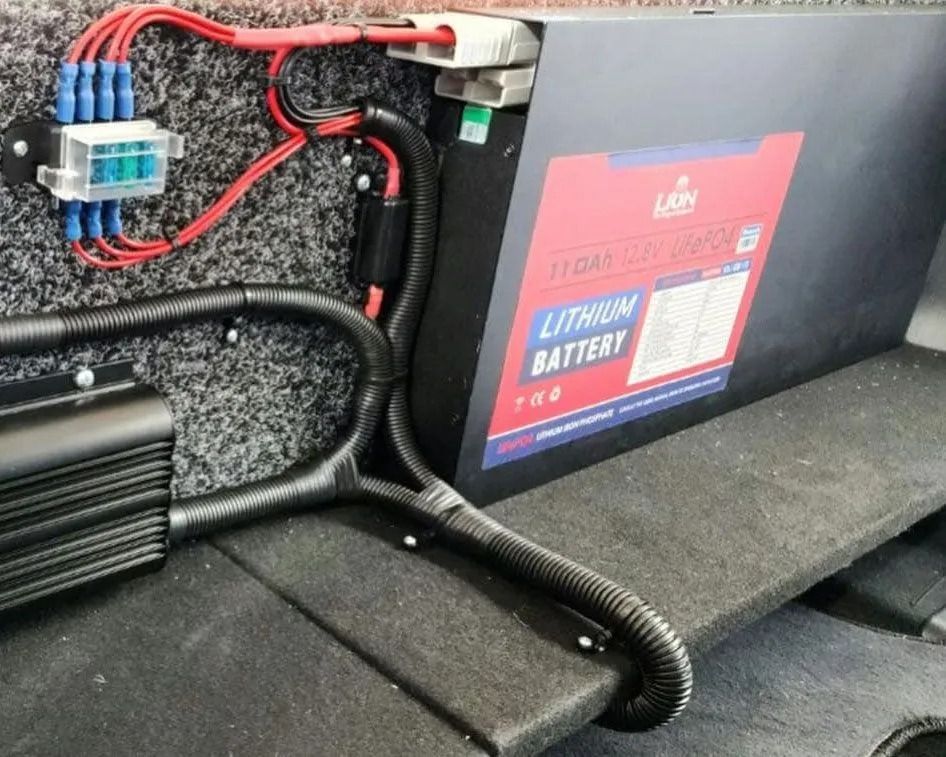
Dual battery systems are common in touring vehicles because they can power fridges, camp lights and other accessories without unnecessarily draining the starter battery. However, simply adding another battery is not enough. Cable sizing, charging method, fuse protection and battery location all influence how well the system works.
A dual battery setup should account for:
- The type and capacity of both batteries.
- The charging system and any DC-to-DC charger being used.
- The current demands of connected accessories.
Drivers seeking an auto electrician in Beechworth or nearby areas should look for someone who can assess the overall charging and accessory setup.
Why Poor Wiring Can Lead to Flat Batteries
An accessory does not have to be visibly operating to contribute to a flat battery. Incorrect switching, poorly connected relays, parasitic draw or wiring that bypasses ignition control can allow current to continue flowing after the vehicle is parked.
Battery drain investigations often look at:
- Whether accessories receive power when the ignition is off.
- Whether relays or modules remain energised.
- Whether previous installations have introduced unwanted current draw.
Testing the system methodically is usually more useful than repeatedly replacing a battery without finding the cause.
Plan the Installation Before Buying More Accessories
It is easy to build up a list of lights, chargers, sockets and touring gear without considering how everything will be powered. Planning before installation can reduce rework and make it easier to decide which accessories need dedicated feeds or protected distribution points.
Before adding more equipment, review:
- The accessories already fitted to the vehicle.
- Available battery and charging capacity.
- Whether a fused distribution system would simplify future additions.
For more practical electrical advice and vehicle wiring information, our blog can be a useful place to explore related topics before your next upgrade.
Get Your 4WD Wiring Set Up Properly
Driving lights and touring accessories should add convenience and capability without creating electrical problems elsewhere in the vehicle. A reliable setup depends on suitable cable sizing, relay control, correct fuse protection and proper integration with the existing system. Working with an auto electrician in Albury can help you avoid common installation mistakes and simplify future troubleshooting.
We at Lavington Auto Electrical assist 4WD owners, touring drivers and rural tradies with accessory wiring, driving lights, dual battery systems and electrical fault diagnosis. If you are planning an installation or dealing with flickering lights, flat batteries or unreliable accessories, contact us to have the system checked and wired correctly.